



p38β Inhibitor
- 1
- 2
-
Adezmapimod
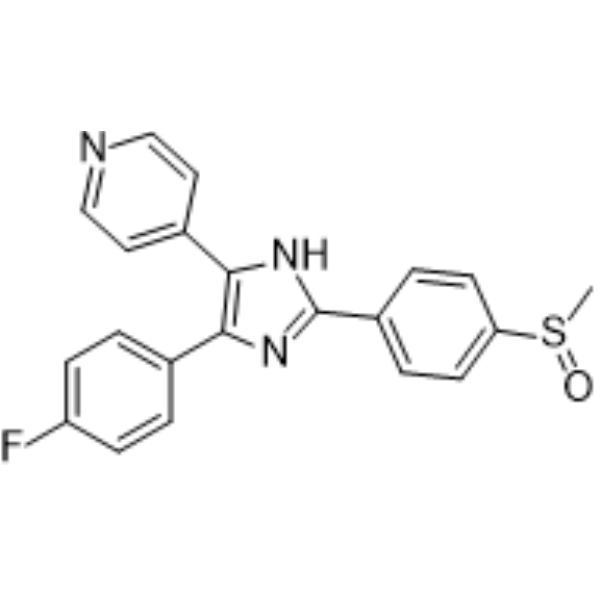 0 ImagesSynonyms: SB 203580; RWJ 64809
Adezmapimod (SB 203580) is a selective and ATP-competitive p38 MAPK inhibitor with IC50s of 50 nM and 500 nM for SAPK2a/p38 and SAPK2b/p38β2, respectively. Adezmapimod inhibits LCK, GSK3β and PKBα with IC50s of 100-500-fold higher than that for SAPK2a/p38. Adezmapimod can inhibit p38 MAPK and lead to the inhibition of downstream HSP27 phosphorylation. Adezmapimod does not disrupt JNK activity and is an autophagy and mitophagy activator.
-
SB 202190
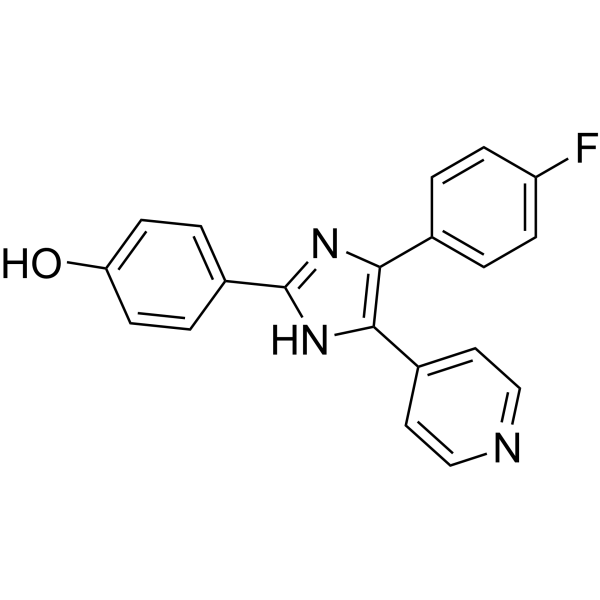 0 Images
SB 202190 is a selective p38 MAP kinase inhibitor with IC50s of 50 nM and 100 nM for p38α and p38β2, respectively. SB 202190 binds to the ATP pocket of the active recombinant human p38 kinase with a Kd of 38 nM. SB 202190 has anti-cancer activity and rescued memory deficits. SB202190 induces autophagy.
-
Doramapimod
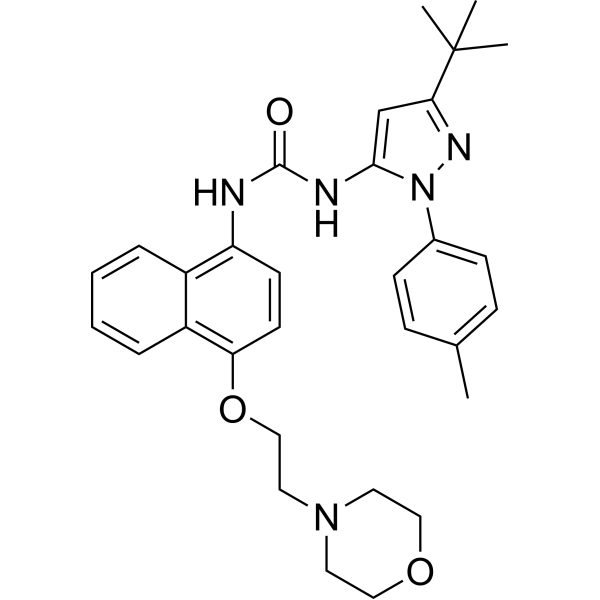 0 ImagesSynonyms: BIRB 796
-
Adezmapimod hydrochloride
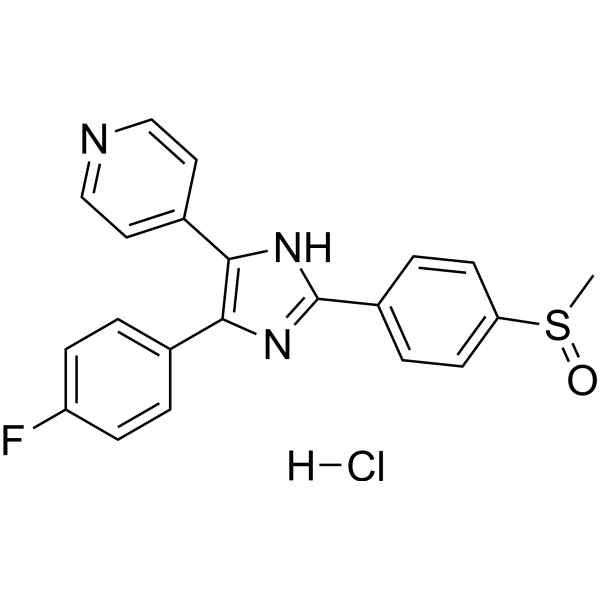 0 ImagesSynonyms: SB 203580 hydrochloride; RWJ 64809 hydrochloride
Adezmapimod (SB 203580; RWJ 64809) hydrochloride is a selective and ATP-competitive p38 MAPK inhibitor with IC50s of 50 nM and 500 nM for SAPK2a/p38 and SAPK2b/p38β2, respectively. Adezmapimod hydrochloride inhibits LCK, GSK3β and PKBα with IC50s of 100-500-fold higher than that for SAPK2a/p38. Adezmapimod hydrochloride does not disrupt JNK activity and is an autophagy and mitophagy activator.
-
Ralimetinib dimesylate
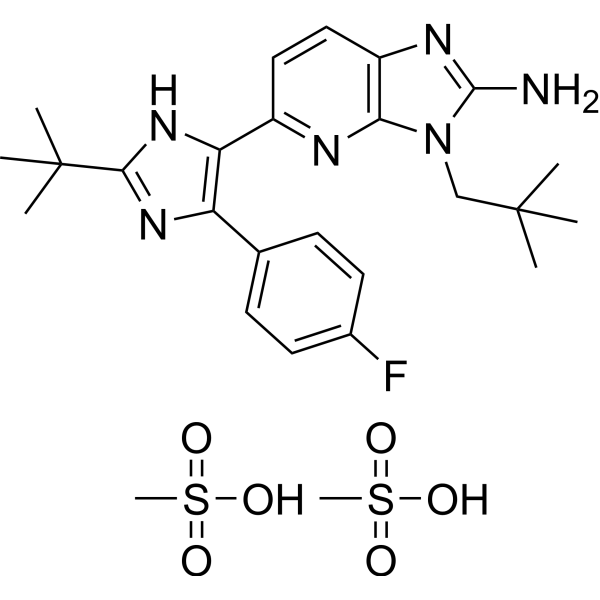 0 ImagesSynonyms: LY2228820 dimesylate
Ralimetinib dimesylate (LY2228820 dimesylate) is a selective, ATP-competitive inhibitor of p38 MAPK α/β with IC50s of 5.3 and 3.2 nM, respectively. Ralimetinib (LY2228820) selectively inhibits phosphorylation of MK2 (Thr334), with no effect on phosphorylation of p38a MAPK, JNK, ERK1/2, c-Jun, ATF2, or c-Myc.
-
Neflamapimod
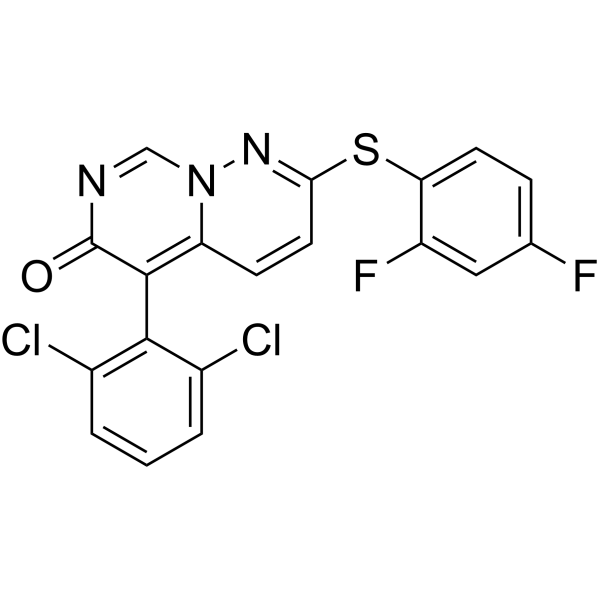 0 ImagesSynonyms: VX-745
-
SB 202190 hydrochloride
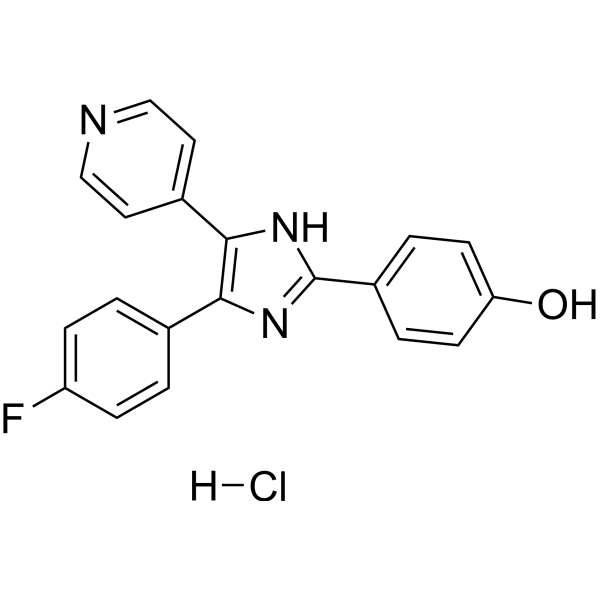 0 Images
SB 202190 hydrochloride is a selective p38 MAP kinase inhibitor with IC50s of 50 nM and 100 nM for p38α and p38β2, respectively. SB 202190 hydrochloride binds to the ATP pocket of the active recombinant human p38 kinase with a Kd of 38 nM. SB 202190 hydrochloride has anti-cancer activity. SB202190 hydrochloride induces autophagy.
-
AMG-548 dihydrochloride
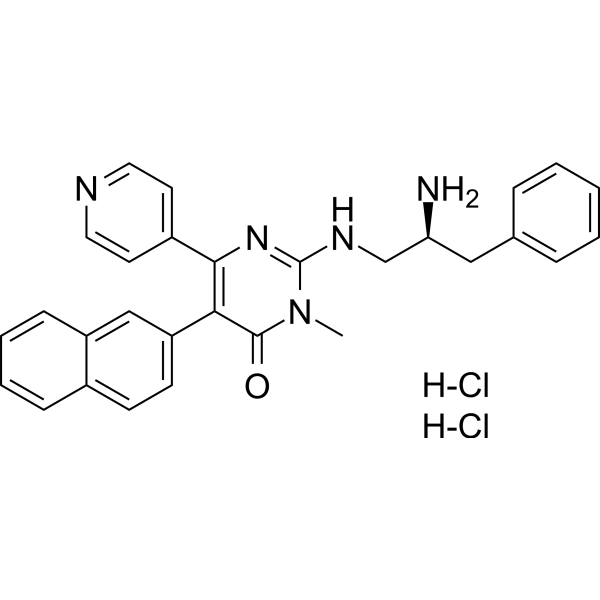 0 Images
AMG-548 dihydrochloride, an orally active and selective p38α inhibitor (Ki=0.5 nM), shows slightly selective over p38β (Ki=36 nM) and >1000 fold selective against p38γ and p38δ. AMG-548 dihydrochloride is also extremely potent in the inhibition of whole blood LPS stimulated TNFα (IC50=3 nM). AMG-548 dihydrochloride inhibits Wnt signaling by directly inhibiting Casein kinase 1 isoforms δ and ε.
-
Talmapimod
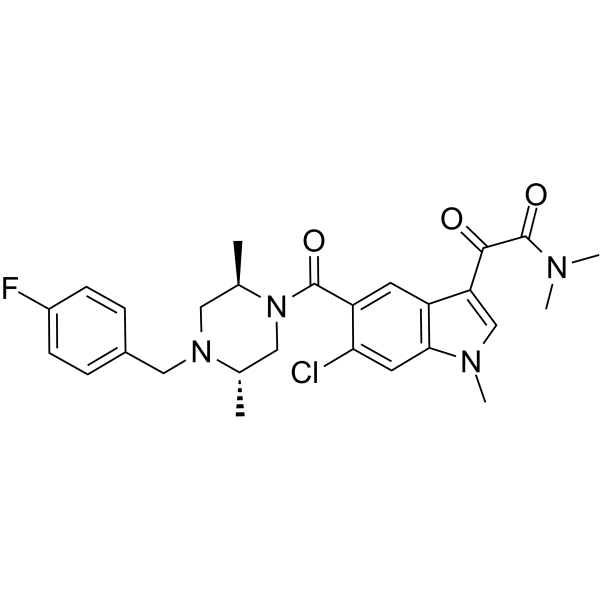 0 ImagesSynonyms: SCIO-469
Talmapimod (SCIO-469) is an orally active and selective inhibitor of p38α MAPK with an IC50 of 9 nM. Talmapimod inhibits the secretion of inflammatory factors (such as TNFα, IL-1β, IL-6, and VEGF) by suppressing the p38α MAPK pathway, and it also inhibits angiogenesis and osteoclast activation. Talmapimod inhibits the growth of multiple myeloma cells and induces apoptosis. Talmapimod can be used to study various hematological malignancies (such as multiple myeloma, myelodysplastic syndrome).
-
Pamapimod
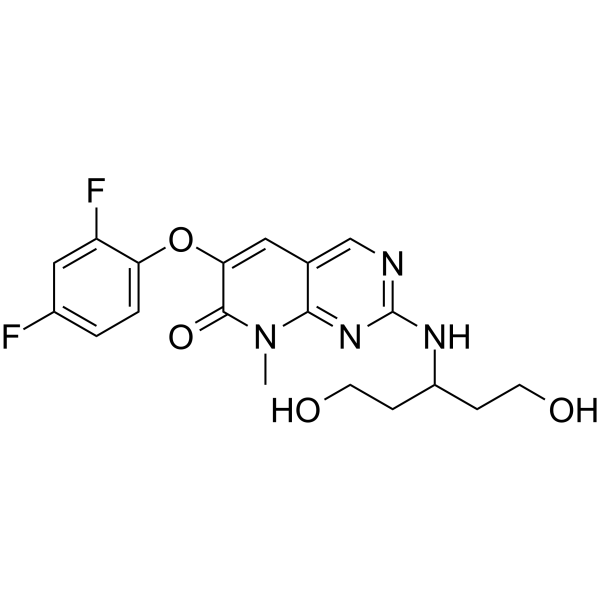 0 ImagesSynonyms: Ro4402257; R1503
Pamapimod (Ro4402257) is a potent, selective and orally active p38 MAPK inhibitor with IC50s of 14 nM and 480 nM and Kis of 1.3 nM and 120 nM for p38α and p38β, respectively. Pamapimod has no activity against p38δ or p38γ isoforms. Pamapimod has the potential for rheumatoid arthritis and other autoimmune diseases treatment.
-
AMG-548
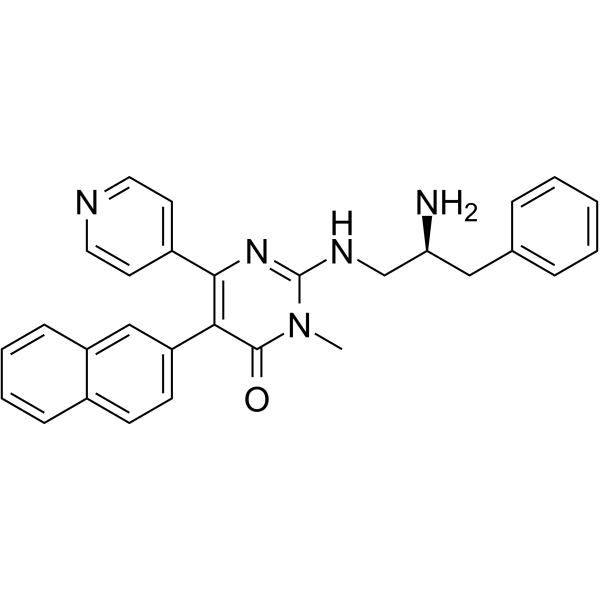 0 Images
AMG-548, an orally active and selective p38α inhibitor (Ki=0.5 nM), shows slightly selective over p38β (Ki=36 nM) and >1000 fold selective against p38γ and p38δ. AMG 548 is also extremely potent in the inhibition of whole blood LPS stimulated TNFα (IC50=3 nM). AMG-548 inhibits Wnt signaling by directly inhibiting Casein kinase 1 isoforms δ and ε.
-
Ralimetinib
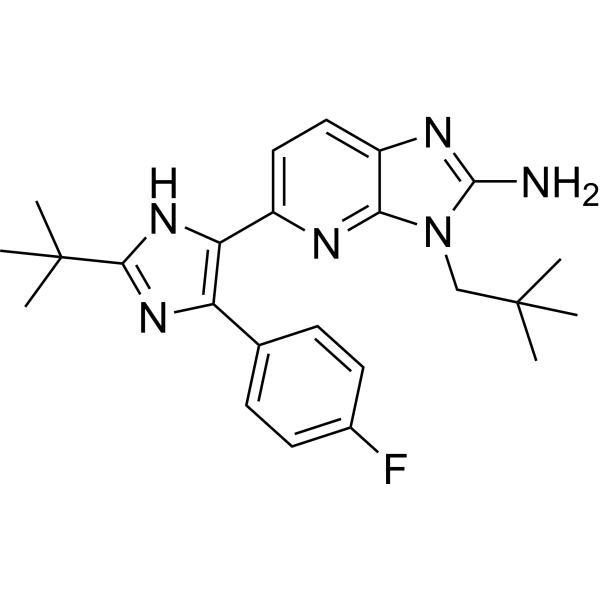 0 ImagesSynonyms: LY2228820
Ralimetinib is an ATP-competitive p38α and p38β MAPK inhibitor with an IC50 of 5.3 nmol/L against human p38α and an IC50 of 3.2 nmol/L against human p38β. Ralimetinib slows tumor growth in preclinical in vivo cancer models, exhibits oral bioavailability in mice, and achieves sustained target inhibition for 4 to 8 h. Ralimetinib is applicable for research on melanoma, non-small cell lung cancer, ovarian cancer, glioma, multiple myeloma, breast cancer, renal cancer, and head and neck squamous cell carcinoma.
-
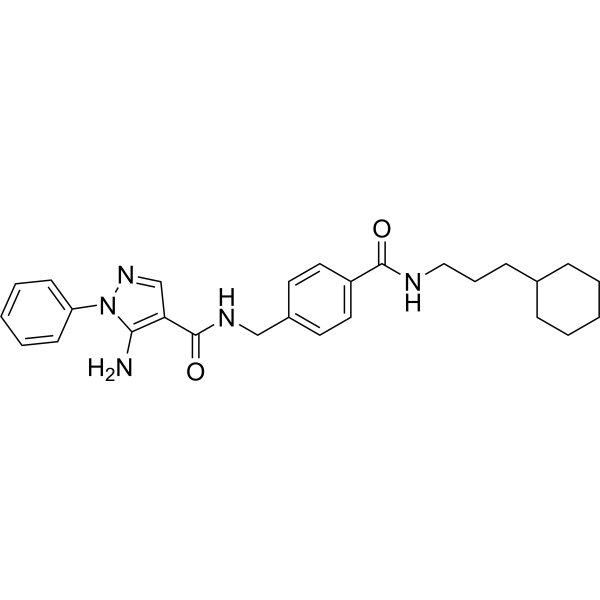
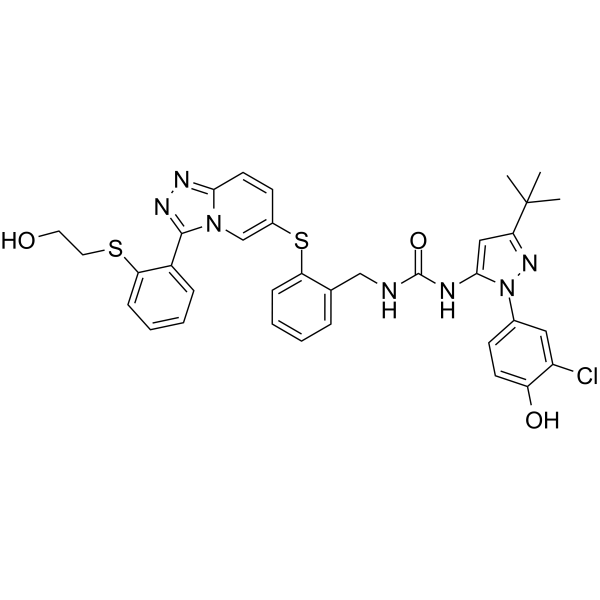
PF-03715455
 0 Images
PF-03715455 is a potent inhaled p38 MAPK inhibitor. PF-03715455 shows some selectivity for p38α over p38β with respective IC50 values of 0.88 and 23 nM. PF-03715455 potently inhibits LPS-induced TNFα production in human whole blood (IC50=1.7 nM). PF-03715455 has potential for the treatment of COPD (chronic obstructive pulmonary disease).
- 1
- 2



